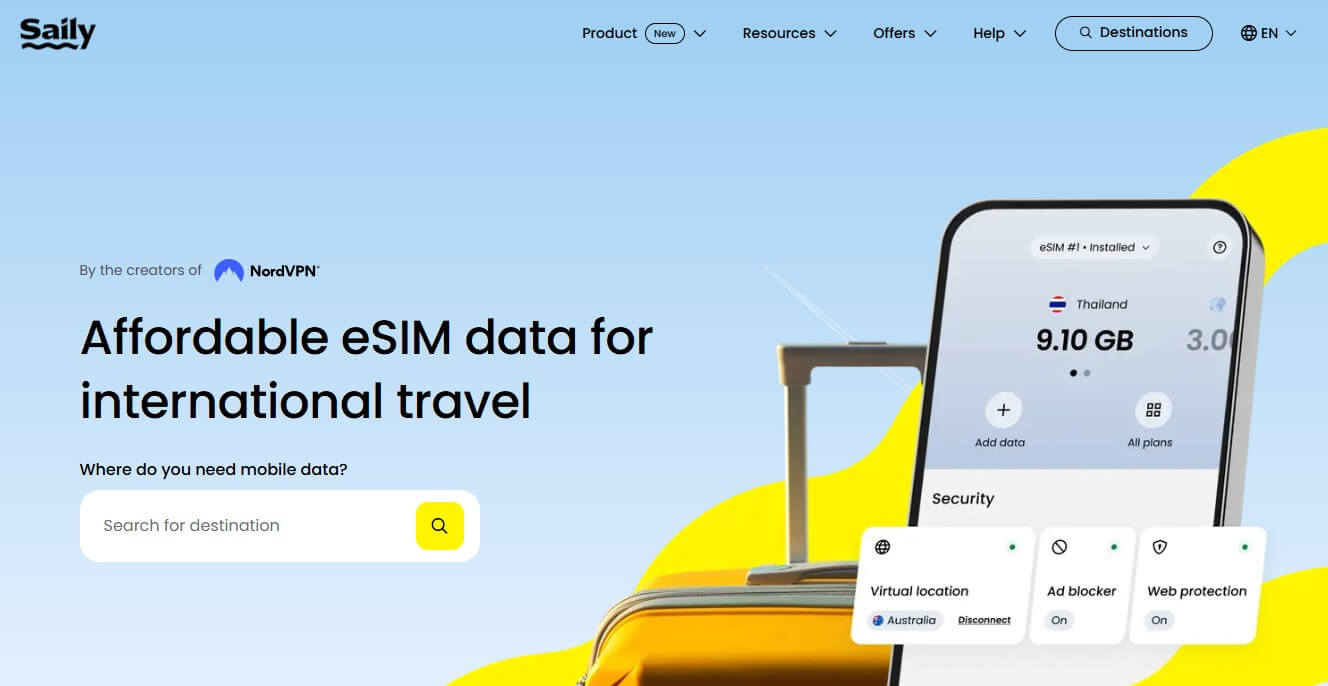
Understanding the Shift to Digital SIM Technology
Best eSIM Data Plans for Travelers Compared 2025
An eSIM data plan is a digital SIM profile stored directly on your device, eliminating the need for a physical plastic card. This means you can activate a cellular data plan in minutes by scanning a QR code or using an app, giving you instant connectivity without waiting for a SIM to arrive. It allows you to switch between carriers easily, keep your primary number active, and manage multiple data plans from one phone, making travel and daily use much more flexible.
Understanding the Shift to Digital SIM Technology
Understanding the shift to digital SIM technology means recognizing that an esim data plan eliminates the physical plastic card, storing your carrier profile directly on your device’s chip. This allows you to activate a mobile data plan remotely, often by scanning a QR code or using an app, without waiting for a physical SIM to arrive. One crucial practical shift is the ability to store multiple esim profiles on a single device, enabling you to switch between carriers for data coverage without swapping cards. For users, this translates to immediate activation, reduced clutter, and the flexibility to manage data subscriptions entirely through your phone’s settings, making the transition a purely software-driven experience.
What Makes an Embedded SIM Different from a Physical Card
An embedded SIM (eSIM) is soldered directly onto your device’s motherboard, eliminating the need for a removable plastic card. Unlike a physical SIM, you cannot pop it out or swap it between phones—instead, you activate an eSIM data plan by scanning a QR code or downloading a carrier profile. This permanent, solderless integration makes the eSIM more durable against physical damage and frees up internal space, allowing for slimmer designs or larger batteries. No physical swapping is required when changing carriers; you simply switch profiles in your device settings, making travel or plan management instant and hassle-free.
An eSIM is a tamper-proof, solder-based chip you activate digitally; a physical SIM is a removable card you handle manually.
Key Devices That Support This Next-Gen Connectivity
The cornerstone of next-gen connectivity rests on modern smartphones, led by Apple’s iPhone 14 and 15 series, which operate exclusively through eSIM data plan compatibility. Beyond iPhones, major Android flagships like Google’s Pixel 7 and 8, and Samsung’s Galaxy S23 and S24, natively integrate this chip. These devices empower users to switch carriers or activate international data plans without a physical slot. High-end tablets, such as the iPad Pro, and select smartwatches with cellular models, further expand this ecosystem, enabling a single eSIM data plan to share connectivity across multiple personal gadgets seamlessly.
Key devices supporting this shift are primarily flagship smartphones and tablets from Apple, Google, and Samsung, all pre-configured for immediate eSIM activation.

Selecting the Right Mobile Package for Travelers
The traveler hunched over their phone in a chaotic airport terminal, realizing their roaming fears were justified. Selecting the right mobile package now means choosing an eSIM data plan that matches your exact itinerary, not just the cheapest option. For a two-week trip across Japan, they needed a plan with sufficient high-speed data for navigation and translation apps, avoiding the throttled speeds that cripple map loading. They compared plans specifically for Japan’s network compatibility, not generic global bundles. The crucial nuance was prioritizing plans with easy top-up options over unlimited data, because a three-day data drought in a remote area taught them the value of flexibility. They finally settled on a regional eSIM that offered a local Japanese number for booking hostels and restaurants, a feature often overlooked in cheaper plans but vital for connecting with locals and confirming reservations on the go.
Comparing Short-Term Tourist Options vs Long-Term Global Passes
When selecting an eSIM data plan, comparing short-term tourist options against long-term global passes hinges on trip duration and coverage needs. Short-term tourist packages typically offer high data volumes for a single country or region over 7–30 days, making them cost-effective for brief stays. In contrast, long-term global passes provide consistent connectivity across multiple countries for extended periods, often at a lower per-day rate. The key differentiator is flexibility: evaluating per-day vs total cost structure clarifies which option suits your itinerary. For a two-week trip, a tourist pass is logical; for months abroad, a global pass avoids multiple purchases.
- Short-term passes prioritize localized high-speed data for destinations under 30 days.
- Long-term passes reduce administrative overhead by eliminating frequent plan swaps.
- Global passes better serve travelers visiting three or more countries consecutively.
How to Evaluate Coverage Maps and Network Speeds
When evaluating eSIM coverage maps, cross-reference the provider’s listed network partners with independent sources like OpenSignal for real-world data. Ignore broad “nationwide” claims; zoom into the map for your specific destinations, especially rural or transit zones. For speed assessment, check if the eSIM specifies maximum data rates (e.g., 4G/LTE vs. 5G) and note any fair usage caps that throttle performance after a set threshold. To validate claims before purchase:
- View the map at the maximum zoom level for your route.
- Search user reviews for speed tests at key locations.
- Confirm the eSIM uses a primary local network rather than roaming partners, which often reduce speeds.
Activating a Virtual SIM Profile for International Roaming
Activating a virtual SIM profile for international roaming begins after purchasing an eSIM data plan from a compatible provider. You typically receive a QR code or an activation link via email. To install, go to your device’s cellular settings, select “Add Cellular Plan,” and scan the QR code or tap the link. The profile downloads and installs automatically. Once installed, designate this profile for mobile data. Before traveling, enable data roaming within this specific line’s settings. In many cases, the profile activates upon connecting to a foreign network, instantly providing local data access without needing a physical SIM swap. Ensure your device remains unlocked to use a third-party provider’s eSIM data plan during roaming.
Step-by-Step Guide to Installing a Digital eSIM Profile
To install your digital eSIM profile, first grab a steady Wi-Fi connection and open your phone’s settings. Navigate to “Mobile Network” or “Cellular,” then tap “Add eSIM.” Scan the QR code your carrier emailed you, or enter the activation code manually. Follow the on-screen prompts to label the profile (like “Travel Data”). After a quick activation, your first eSIM installation steps finish with toggling data roaming on—that’s your link to international signals. No physical card swap needed, and you’re live in minutes.
Scan the QR code or enter the code, label your eSIM, toggle roaming, and you’re set.
Managing Multiple Plans on a Single Device
Managing multiple plans on a single device requires leveraging your phone’s eSIM capabilities to switch between active profiles without physical swaps. For international roaming, you can store several data plans from different carriers, designating one for primary use and deactivating others to avoid conflicts. To add a plan, scan the QR code provided by your provider, then label it clearly (e.g., “Japan Trip Date”). When roaming, toggle between profiles via your device’s cellular settings. For seamless transitions, follow this sequence: virtual SIM plan management is key.
- Keep your home plan active for verification texts.
- Deactivate the local eSIM when not needed.
- Reactivate it upon arrival to preserve data allowances.
Comparing Costs Across Regional and Global Providers
When comparing costs for an eSIM data plan, regional providers often offer significantly lower per-gigabyte rates for a specific continent, like Europe or Asia, than global providers. A global plan might charge a flat fee for 10GB usable worldwide, but you often overpay for connectivity in areas you don’t visit. For a targeted trip, a regional plan typically provides cheaper, high-speed data within that zone. Always check the daily roaming ceiling versus a total data allowance, as global plans sometimes cap high-speed data at a very low threshold before throttling. For short, multi-country trips, a global plan’s convenience avoids multiple purchases, but for longer stays in one region, a dedicated regional eSIM is the most cost-effective choice.
Hidden Fees to Watch For in Prepaid Digital Plans
When comparing prepaid eSIM plans, hidden fee traps can quietly inflate your cost. Many providers charge a “top-up fee” for adding data mid-cycle, plus an “activation fee” that isn’t shown until checkout. Some plans also apply a “connectivity fee” for switching networks, or enforce daily “service fees” that drain your balance even on zero-use days. To avoid surprises, watch for these specific pitfalls:
- An “inactivity fee” deducted after a set number of days without usage.
- A “currency conversion surcharge” on non-local purchases.
- A “data rollover fee” for carrying unused MBs to the next cycle.
- An “auto-renewal markup” that hikes the price on repeat purchases.
How to Maximize Value with Unlimited or Tiered Data Options
To maximize value with unlimited or tiered eSIM data options, first assess your typical usage against provider caps. For unlimited plans, avoid throttled “fair usage” limits by selecting providers with high-speed thresholds matching your peak consumption. For tiered plans, optimize tiered plan selection by calculating your average monthly data; choose a tier slightly below that amount if rollover data is offered, or a tier just above if not. A clear sequence to follow is:
- Monitor your data usage over a 30-day period.
- Compare the cost-per-GB of unlimited plans (including any speed reductions) against the next two higher tiered options.
- Select the unlimited plan only if your usage is over 80% of the largest tier, otherwise choose the smallest tier that covers 95% of your needs.
Security and Compatibility Considerations
Security and compatibility are critical when adopting an eSIM data plan. For security, eSIMs offer robust encryption and remote management, reducing physical SIM theft risks, but users must ensure their device’s eSIM profile is downloaded only from trusted carrier portals or QR codes to prevent malicious provisioning. Compatibility requires verifying your device supports eSIM profiles for the specific carrier and region; many unlocked phones support eSIM, but older models or carrier-locked devices may not. Additionally, ensure your device’s operating system is updated to avoid provisioning errors.
A key insight: Always confirm that both your smartphone model and its IMEI are explicitly listed as eSIM-compatible for your chosen data plan before purchasing, as incompatibility can lock you out of the service entirely.
Ensuring Your Phone is Unlocked Before Trying a New Carrier
Before activating an eSIM data plan, confirm your phone is carrier-unlocked to avoid compatibility failures. A locked device restricts eSIM activation to the original carrier, causing plan provisioning errors. Contact your current carrier to request an unlock, often requiring the phone to be paid off. Verify the unlock by inserting a different carrier’s physical SIM or scanning an eSIM QR code—if no error appears, you are ready.
- Check your phone’s settings: “No SIM restrictions” under General > About (iOS) or Network settings (Android).
- Request an unlock code or remote unlock from your current carrier if the device is still locked.
- Test the unlock immediately with a free trial eSIM from a new carrier before purchasing a full plan.
Privacy Trade-Offs with Remote Provisioning Services
Remote provisioning for an eSIM data plan necessitates sharing your device’s IMEI and location data with a third-party provider to download the profile. This trade-off exposes your mobility patterns and device identity to the carrier’s infrastructure, creating a permanent link between your hardware and the service. Unlike a physical SIM, which can be swapped anonymously, eSIM privacy risks increase because the provider retains a digital record of every activation and network handover. Q: Does remote provisioning expose my device to tracking even after I delete the eSIM? A: Yes, because the provider’s logs linking your IMEI to past sessions typically persist in their backend, allowing retrospective analysis of your usage history.

Top Use Cases Beyond Standard Browsing
Beyond standard browsing, eSIM data plans unlock specific, high-value use cases. For instance, you can instantly activate a secondary line for dedicated app-based work, keeping your primary number clear for personal calls. A constant data stream allows you to run a mobile hotspot for a laptop, enabling real-time cloud collaboration or critical video conferencing without Wi-Fi. Similarly, always-on data feeds are ideal for live GPS navigation, fleet tracking, or remote IoT sensor monitoring in vehicles. For frequent travelers, a separate eSIM for high-bandwidth tasks like streaming 4K content or backing up large photos to the cloud ensures your primary line remains free for essential two-factor authentication and messages, creating a seamless, professional data ecosystem.
Using Digital Connectivity for Remote Work and Hotspot Sharing
An eSIM data plan transforms a device into a secure mobile office, enabling remote work from any location with cellular coverage. By activating a dedicated data-only profile, you share a stable, low-latency connection with a laptop via personal hotspot, bypassing unreliable public Wi-Fi. This tethered setup supports video conferencing and cloud access without draining your primary phone line’s resources, as the eSIM operates independently. For field teams, hotspot sharing across multiple devices—like tablets or secondary phones—ensures uninterrupted productivity, keeping workflow digital and decentralized. No physical SIM swapping is required; simply toggle the eSIM on for immediate connectivity.
Streaming and Communication in Regions With Lower Data Caps
For travelers in regions with lower data caps, an eSIM plan transforms streaming and communication by prioritizing bandwidth allocation. You can still enjoy audio streaming and standard-definition video, conserving data for essential messaging apps like WhatsApp or Telegram. Adaptive bitrate settings in apps like Spotify or YouTube become critical, automatically lowering quality to stretch your allowance. Prioritizing Wi-Fi calling over cellular data preserves your cap for navigation or quick social media checks. This strategic use ensures connectivity without sudden throttling, making data-conscious streaming feasible even on limited plans.
Streaming and communication in regions with lower data caps require deliberate app configuration and bandwidth prioritization to maintain functionality without exceeding plan limits.
Troubleshooting Common Setup or Activation Errors
When your eSIM data plan won’t activate, start by checking if your device is carrier-unlocked and running the latest software. A frequent issue is a “No Service” error after scanning the QR code—reinstalling the eSIM profile under cellular settings often fixes this. Q: My eSIM says “Activation Failed” repeatedly, what now? A: Reboot your phone, then manually add the eSIM by entering the SM-DP+ address and activation code from your provider; avoid weak Wi-Fi during this process. If “Invalid SIM” appears, confirm you selected the correct eSIM slot in settings. For a “Profile Not Found” error, ensure the QR code isn’t expired—contact support for a fresh one. Always toggle Airplane Mode for 30 seconds after setup to force a network refresh.
Fixing Profile Download Failures and QR Code Issues
If your eSIM profile download fails, first check that your device is connected to a stable Wi-Fi network rather than cellular data. QR code scanning issues often stem from poor lighting or smudged camera lenses, so clean the lens and increase screen brightness. Repairing QR code scanning errors sometimes requires manually entering the activation code instead. Occasionally, restarting your phone mid-setup can refresh the network stack and allow the download to kick off where it stalled. If problems persist, verify your device isn’t carrier-locked, as this can block profile installation entirely.
What to Do When Your Connection Drops While Abroad
When your connection drops abroad, first toggle airplane mode on and off to force a reconnection to the local network. If that fails, manually select the network operator in your device’s cellular settings, ensuring it matches the eSIM’s supported providers. Verify that data roaming is enabled specifically for your eSIM line, as it is often toggled off by default. Reboot your phone to clear temporary glitches, then reinstall the eSIM profile if the error persists, using a secure Wi-Fi hotspot. A quick APN https://baztel.co/esim-plans/esim-uk reset, entering “internet” or your provider’s exact settings, often resolves silent disconnections.
Q: What immediate step restores a dropped eSIM connection abroad?
A: Toggle airplane mode on and off, then confirm data roaming is active for the eSIM line.

What Exactly Is an eSIM Data Plan and How Does It Work?
How Embedded SIM Technology Eliminates Physical Cards
Understanding How Your Device Connects to a Mobile Network via eSIM
Key Benefits of Switching to an eSIM Data Plan
Instant Activation Without Waiting for a Physical SIM
How Dual SIM Capabilities Let You Keep Two Active Lines
Step-by-Step Guide to Setting Up Your First eSIM Data Plan
Checking Device Compatibility Before You Purchase
How to Download and Install Your eSIM Profile